

For a long time, physical education for girls has been misunderstood and often ignored, with academics being given more importance while sports and physical activity are seen as unnecessary or unsafe. As a result, many girls miss the chance to build their physical strength and confidence. In reality, these beliefs are based on myths.
Research and real-life examples show that physical education plays a vital role in developing strong bodies, sharper minds, and resilient, confident personalities, while also teaching teamwork and discipline. This blog highlights five common misconceptions that prevent girls from fully participating in physical education and replaces them with facts that support positive change.
Misconception 1: Physical Education Is Not as Important as Academics
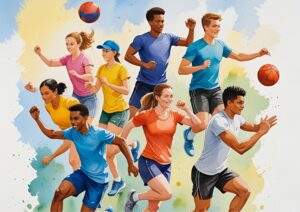
One of the most widespread beliefs is that time spent on sports or fitness takes time away from studies. In reality, the opposite is often true. Physical activity improves concentration, memory, and overall brain function. When the body moves, blood flow to the brain increases, helping students stay alert and mentally active in class.
Regular participation in school sports or recreational physical activity can also reduce stress and anxiety, which are common causes of poor academic performance among teenagers. A healthy body supports a healthy mind. Rather than being a “waste of time,” physical education actually strengthens a student’s ability to perform better in exams and daily learning tasks.
By understanding this link, parents and educators can begin to see physical education not as an extra subject, but as a powerful learning tool.
Misconception 2: Sports Make Girls Look Less Feminine

Another damaging myth suggests that if a girl plays sports, she may lose her femininity. This outdated idea is based on narrow definitions of how a girl is “supposed” to look or behave. Strength, speed, and stamina are somehow seen as unfeminine, when in fact they are simply signs of a healthy body.
Femininity is not defined by weakness. Girls can be strong, fit, fast, and still be graceful, confident, and expressive in their own way. Around the world, female athletes have shown that physical strength and womanhood are not opposites—they can exist beautifully together.
Giving girls the freedom to grow stronger physically allows them to develop a positive body image. They learn to appreciate their bodies for what they can do, not only for how they look. This mindset reduces insecurity and builds inner confidence that lasts a lifetime.
Misconception 3: Physical Education Is Dangerous for Girls
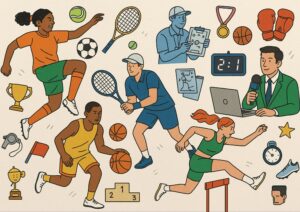
Safety is a genuine concern for any parent, but it should not turn into a reason for complete restriction. Like any activity, physical education does involve movement, effort, and sometimes minor injury. However, with proper supervision, trained instructors, and structured programs, the risks are minimal.
Just as girls travel to school, use stairs, or participate in normal daily activities, controlled physical exercise is part of a balanced lifestyle. Schools today focus heavily on warm-ups, stretching, safe equipment, and age-appropriate sports choices to ensure protection at all levels.
Avoiding all physical activity due to fear can do more harm than good. Lack of exercise increases the risk of obesity, poor posture, weak bones, and low stamina. By guiding girls into safe fitness routines, we actually protect their long-term health instead of putting it at risk.
Misconception 4: Only Boys Need Competitive Sports
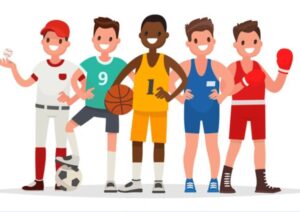
For generations, competitive sports have been linked mostly to boys. Girls were expected to remain quiet, supportive, or “less active.” This belief still affects how families encourage their children today. If a boy enjoys football or running, he is praised. If a girl shows the same interest, she may be discouraged or laughed at.
However, competition is not a “male” trait. Girls are equally capable of leadership, teamwork, and strategic thinking. Participating in competitions teaches problem-solving, time management, commitment, and how to handle both success and failure with dignity.
In many regions, including a growing number of progressive girls school in india, sports are now being promoted for young women to develop leadership qualities and self-belief. When girls are allowed to participate fully, they begin to see themselves as capable individuals who can take on challenges without fear.
Misconception 5: Physical Education Has No Real-Life Impact

Some people believe physical education is only useful during school years and has little impact later in life. This is far from the truth. Habits built during childhood and adolescence shape lifestyle choices as adults.
Girls who grow up understanding the Physical and Mental Benefits of regular exercise are more likely to stay active, manage stress effectively, and maintain healthy routines in the future. These habits lower the risk of chronic diseases, support emotional well-being, and encourage productive lifestyles. Physical education also teaches practical life skills such as goal-setting, time management, self-discipline, and teamwork. These qualities directly apply to careers, relationships, and personal development far beyond the school environment.
The Real Benefits of Physical Education for Girls
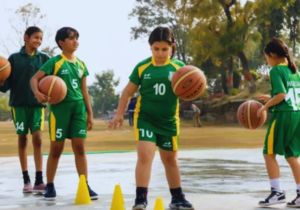
Once the misconceptions are removed, the real value becomes clear. Physical education supports holistic growth in several ways:
Physical Strength and Health
Regular movement strengthens muscles and bones, improves posture, and boosts stamina. It helps in maintaining a healthy weight and supports the development of strong immunity.
Mental and Emotional Balance
Exercise releases natural mood-enhancing chemicals in the body. This improves mood, reduces anxiety, and helps girls deal with emotional challenges more calmly.
Social Development
Through team activities and group games, girls learn cooperation, respect, and effective communication. These social skills are essential for building healthy relationships in life.
Confidence and Independence
Every personal fitness achievement—no matter how small—builds confidence. Girls learn to trust their abilities, take initiative, and break free from self-doubt.
These benefits work together to form well-rounded, empowered individuals who are prepared to face both academic and personal challenges with strength.
Challenges That Still Exist

While progress is being made, challenges still prevent equal participation in many areas. Cultural pressure, lack of facilities, limited female role models, and traditional thinking remain barriers in some communities. In certain regions, girls still do not receive the same encouragement as boys when it comes to sports and physical education.
Schools and parents must work together to change this narrative. By providing safe environments, encouraging open discussions, and highlighting inspiring female athletes, we can slowly remove these barriers. Change does not happen overnight, but every positive step creates a ripple effect.
Conclusion
The five misconceptions surrounding physical education for girls are rooted in outdated beliefs that no longer serve today’s world. In truth, physical activity is a foundation for better health, stronger self-esteem, sharper minds, and more balanced lives.
When girls are given the encouragement and opportunity to participate in physical education, they grow into resilient, confident, and capable women. By breaking these myths, we are not just changing a subject in school—we are changing the direction of future generations.
It is time to move past misunderstandings and embrace the power of strong, active young women who know their worth, on the field and beyond.
FAQs: Physical Education for Girls
1. Why is physical education important for girls?
Physical education helps girls build strength, improve focus, reduce stress, and develop confidence through regular physical activity.
2. At what age should girls start physical education in school?
Girls can start structured physical education from early childhood, usually from 5–6 years of age, with age-appropriate exercises and activities.
3. Can physical education improve academic performance in girls?
Yes, regular physical activity improves concentration, memory, and classroom behavior, which can positively impact academic results.
4. How can parents encourage girls to participate in physical education?
Parents can support their daughters by promoting regular exercise, enrolling them in sports programs, and appreciating their participation instead of focusing only on academics.
5. What types of physical activities are best for school-going girls?
Activities like yoga, athletics, dance, swimming, football, and simple fitness routines are ideal for improving overall health and stamina.