

Keeping children meaningfully engaged indoors is a challenge many parents, teachers, and caregivers face today. Whether it’s due to weather, school holidays, or simply the need for a calm day at home, children often seek excitement and stimulation that matches their natural curiosity. Indoor adventures are not just a backup plan—they are powerful opportunities to inspire creativity, support emotional growth, and build essential life skills. This blog explores balanced, thoughtful ways to make indoor time joyful, productive, and imagination-driven for kids of different age groups.
Why Indoor Adventures Matter

Indoor activities carry an important role in shaping a child’s mind, emotions, and habits. While outdoor play has its own benefits, indoor adventures offer a unique environment where children can explore safely, experiment freely, and learn through play without the pressure of structured settings.
Indoor experiences are especially valuable for children who prefer quieter environments or need time away from social overstimulation. They also benefit families living in cities, working parents with limited outdoor access, and even students studying in a girls school in India, where indoor creativity is often used to boost academic and cultural learning.
Indoor adventures encourage children to use imagination, enhance focus, and develop independence—skills that deeply influence long-term learning and personal confidence.
Creative Indoor Adventures to Spark Curiosity
1. DIY Imagination Corners
Setting up “imagination corners” is one of the simplest ways to keep kids excited indoors. These can be themed spaces such as a mini-kitchen, a pretend doctor’s clinic, a space-explorer zone, or even a tiny library. All you need are basic items—pillows, boxes, bedsheets, stationery, toys—arranged in a creative layout.
Why it works:
Children thrive in environments that encourage storytelling and open-ended play. Imagination corners help them explore new roles, express emotions, and build communication skills without any pressure.
2. Indoor Treasure Hunts
A treasure hunt instantly turns an ordinary room into a space full of mystery and adventure. Parents can hide clues in books, under cushions, behind curtains, or inside toy baskets. Each clue should lead to the next until the child reaches the final “treasure”—which can be a snack, a handwritten note, a small toy, or even a book.
What kids learn:
Problem-solving
Critical thinking
Teamwork (when played with siblings)
Reading comprehension
Treasure hunts can be adapted for any age group, making them a versatile and long-lasting activity.
3. Storytelling and Puppet Shows
Story-based indoor adventures help children build imagination and emotional understanding. You can use hand puppets, soft toys, socks, or simple paper cutouts to create an engaging puppet show. Kids can narrate stories, re-enact their favourite book scenes, or invent their own tales.
To make it more exciting, encourage children to design their own puppets using paper, markers, and glue. This adds a creative craft element to the experience.
4. Creative Art Stations

An indoor art station is perfect for children who love colours and visual expression. You can set up a small table with crayons, watercolours, sketchbooks, stickers, and stencils. Rotating the art materials every week keeps the experience fresh and exciting.
Fun variations include:
Scrapbook making
Collage art
DIY greeting cards
Paper crafts
Clay modelling
Art stations help children express themselves while improving hand-eye coordination, focus, and creative thinking.
5. Science-at-Home Experiments
You don’t need a laboratory to spark scientific curiosity. Simple experiments using household items can turn an ordinary day into a science adventure. Some safe and exciting activities include:
Volcano eruptions using baking soda and vinegar
Creating rain clouds with shaving foam
Making invisible ink with lemon juice
Building a simple working model of a lung using balloons
These activities help children understand scientific concepts while developing observation skills and curiosity.
6. Reading Nooks and Quiet Corners
Indoor adventures don’t always need to be full of movement. Reading corners are peaceful, magical spaces where children can immerse themselves in stories. Add soft cushions, fairy lights, a small bookshelf, and age-appropriate books.
Reading nooks are especially helpful for building vocabulary, improving attention span, and encouraging independent learning.
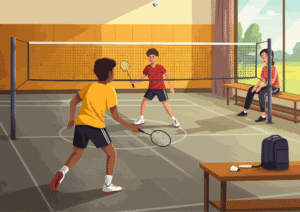
7. Mini Indoor Olympics
Physical activity is essential for children’s overall development. While they may not always have outdoor access, indoor physical games can still keep them active. You can organise simple challenges such as:
Balloon volleyball
Cushion jumping
Short obstacle courses
Yoga for kids
Dance freeze games
These not only improve coordination and balance but also introduce children to the Role of Sports, even in indoor spaces.
Benefits of Indoor Adventures for Children
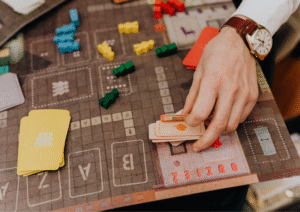
Indoor activities contribute to various aspects of a child’s growth. When balanced well, they support cognitive, emotional, physical, and social development simultaneously.
1. Cognitive Development
Indoor adventures strengthen thinking skills, memory, and problem-solving abilities. Activities like puzzles, science experiments, and treasure hunts boost critical and creative thinking.
2. Emotional Well-Being
Kids often express their emotions better in a familiar environment. Indoor adventures help them:
Feel secure
Build self-awareness
Express creativity
Manage stress
Explore interests comfortably
Storytelling, art, and pretend play are particularly effective for emotional development.
3. Stronger Family Bonds
Indoor activities often involve parents and siblings. Shared experiences help improve communication, understanding, and trust within the family.
4. Improved Academic Skills
Activities such as reading, craftwork, and logical games indirectly strengthen academic performance. Children develop focus, discipline, and curiosity, which support school learning.
5. Safe and Accessible Entertainment
Indoor adventures require minimal resources and can be adapted to any home environment. They also allow children to explore new ideas safely and independently.
Challenges Parents Face & Simple Solutions
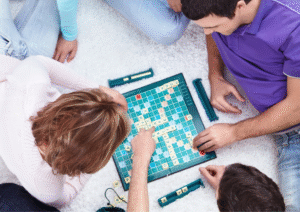
1. Limited Time
Many parents struggle to balance work and play. A simple solution is to create short, 10–15 minute activities that children can enjoy independently.
2. Limited Space
Not everyone has large rooms or open indoor areas. Using foldable items, portable play kits, and corner-based setups helps maximize small spaces.
3. Screen Overdependence
Children often turn to screens for entertainment. Setting screen-free activity hours and offering exciting alternatives helps break the pattern naturally.
4. Keeping Kids Consistently Engaged
Kids may lose interest quickly. Rotating activities weekly and introducing new themes can keep excitement alive.
5. Balancing Fun and Learning
The best indoor adventures combine play with learning. Parents should introduce activities that entertain while developing useful skills.
Conclusion: Turning Indoors into a World of Adventure
Indoor adventures are more than just creative play—they are essential experiences that help children grow into confident, imaginative, and emotionally balanced individuals. With simple materials, thoughtful planning, and a bit of enthusiasm, parents and educators can transform ordinary home environments into learning-filled adventure spaces.
Whether it’s storytelling, science experiments, creative art, reading corners, or physical challenges, every indoor activity contributes to a child’s overall development. These experiences teach kids to think independently, play responsibly, and explore their imagination without boundaries.
Indoor adventures remind us that a child’s world does not need vast spaces—it only needs opportunities to dream, create, and discover. And that journey can begin right at home.
FAQs on Indoor Adventures for Kids
1. What are simple indoor activities for kids of different ages?
Start with imaginative play and art for younger kids, scavenger hunts and basic science experiments for school-age children, and hands-on projects or board games for older kids.
2. How can I keep kids active indoors without screens?
Try short movement games like cushion obstacle courses, balloon volleyball, kid-friendly yoga, or dance-freeze sessions to mix exercise with fun.
3. How often should I rotate indoor activities?
Rotate major themes weekly and swap small activity items every few days to keep novelty without needing constant planning.
4. Are indoor science experiments safe at home?
Yes—when you use common household, non-toxic items, supervise closely, follow simple safety steps, and explain precautions to the child.
5. How do indoor adventures support learning and development?
They build problem-solving, creativity, fine motor skills, focus, and emotional expression through play-based, hands-on experiences.