

Maintaining a healthy diet is essential for both students and families. Proper nutrition not only fuels the body but also supports mental focus, growth, and overall well-being. A well-planned food chart can help in providing the right balance of nutrients for energy, immunity, and long-term health. This guide offers a clear and practical approach to planning nutritious meals for all age groups.
Understanding Nutrition Food and Its Importance

Nutrition Food refers to a variety of foods that supply essential nutrients—carbohydrates, proteins, fats, vitamins, and minerals—needed for optimal health. For students, proper nutrition is crucial to enhance concentration, support physical growth, and boost immunity. For families, balanced meals help prevent lifestyle-related illnesses and maintain energy levels throughout the day.
A balanced diet should include:
Proteins: Eggs, lean meat, legumes, and dairy for muscle and tissue repair.
Carbohydrates: Whole grains, fruits, and vegetables for sustained energy.
Fats: Healthy fats from nuts, seeds, and olive oil to support brain function.
Vitamins & Minerals: Leafy greens, fruits, and fortified cereals for immunity and overall health.
Hydration: Adequate water intake to maintain bodily functions.
Benefits of Following a Complete Nutrition Food Chart
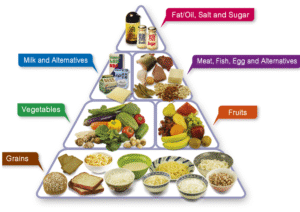
A structured nutrition plan brings multiple benefits for students and families:
1. Improved Academic and Cognitive Performance
Consuming balanced meals supports better memory, attention, and learning abilities. Students following a nutritious diet tend to perform better academically, which is especially important for children attending best school any other institution.
2. Consistent Energy Levels
A diet rich in whole grains, proteins, and healthy fats ensures stable energy throughout the day. Incorporating a proper Morning Routine with a healthy breakfast is crucial for starting the day actively.
3. Strong Immunity
Vitamin- and mineral-rich foods strengthen the immune system, reducing the risk of infections and common illnesses, which is essential for active students and busy family members.
4. Long-Term Health Benefits
Regularly following a balanced diet reduces the risk of chronic illnesses like diabetes, heart disease, and obesity. It also supports healthy growth in children and adolescents.
Challenges in Maintaining a Balanced Diet

While the benefits are clear, following a proper nutrition food chart can present some challenges:
1. Busy Schedules
Students and working parents often struggle to prepare balanced meals due to time constraints, leading to skipped meals or reliance on processed foods.
2. Picky Eating Habits
Children may resist consuming vegetables or new foods, making it harder to provide all necessary nutrients consistently.
3. Accessibility and Affordability
Not everyone has easy access to fresh fruits, vegetables, and high-quality protein sources. Budget constraints may limit dietary variety.
4. Influence of Fast Food
The convenience and taste of fast food can tempt families and students to opt for unhealthy options, reducing overall nutritional intake.
How to Plan a Balanced Nutrition Food Chart

Creating a practical food chart requires simple planning and variety. Here’s a sample daily structure:
Morning
Oatmeal with milk and fruit or whole grain toast with eggs.
Hydration with water or fresh juice.
Mid-Morning Snack
Fruits like apple, banana, or a handful of nuts.
Lunch
Brown rice or whole wheat chapati with vegetables and a protein source (chicken, lentils, or paneer).
Include a salad with fresh greens.
Evening Snack
Yogurt, smoothie, or roasted chickpeas.
Dinner
Light meal with protein, vegetables, and small portions of carbohydrates.
Avoid heavy meals close to bedtime for better sleep.
Tips
Incorporate seasonal fruits and vegetables for better nutrient intake.
Encourage water consumption throughout the day.
Introduce new foods gradually to overcome picky eating habits.
Conclusion
A well-structured nutrition food chart is a powerful tool for students and families to maintain health, energy, and immunity. While challenges exist, planning meals with a variety of nutrients, following a consistent Morning Routine, and encouraging healthy eating habits make it easier to stay on track. By prioritizing balanced nutrition, families can enjoy both immediate benefits and long-term wellness, ensuring students perform well academically and remain physically active.
Frequently Asked Questions
1. What is a nutrition food chart?
A nutrition food chart is a structured plan showing daily meals with the right balance of proteins, carbs, fats, vitamins, and minerals.
2. Why is a balanced diet important for students?
It supports energy, focus, immunity, and overall growth, helping students perform better academically and stay healthy.
3. Can families follow the same diet plan as students?
Yes, with minor adjustments in portion size and variety, a balanced nutrition chart benefits all family members.
4. How can picky eaters get proper nutrition?
Introduce new foods gradually, make meals visually appealing, and mix veggies with familiar foods to improve acceptance.
5. What role does a Morning Routine play in nutrition?
A healthy Morning Routine with a balanced breakfast boosts energy, focus, and metabolism for the day ahead.