

Understanding how children think, feel, and behave is essential for every parent, educator, and caregiver. Child psychology offers a scientific look into the inner world of young minds—revealing how emotions develop, how social skills are shaped, and how the brain learns. When adults understand these stages, they can guide children more confidently and support them at every step of their growth.
This blog explains the fundamentals of child psychology in a clear and balanced way. From emotional responses to cognitive changes, each section highlights the natural processes that shape childhood development. Whether you are raising a toddler, teaching a classroom, or simply curious about how young minds work, these insights help build a supportive and healthy environment for children.
Understanding Child Psychology: Why It Matters
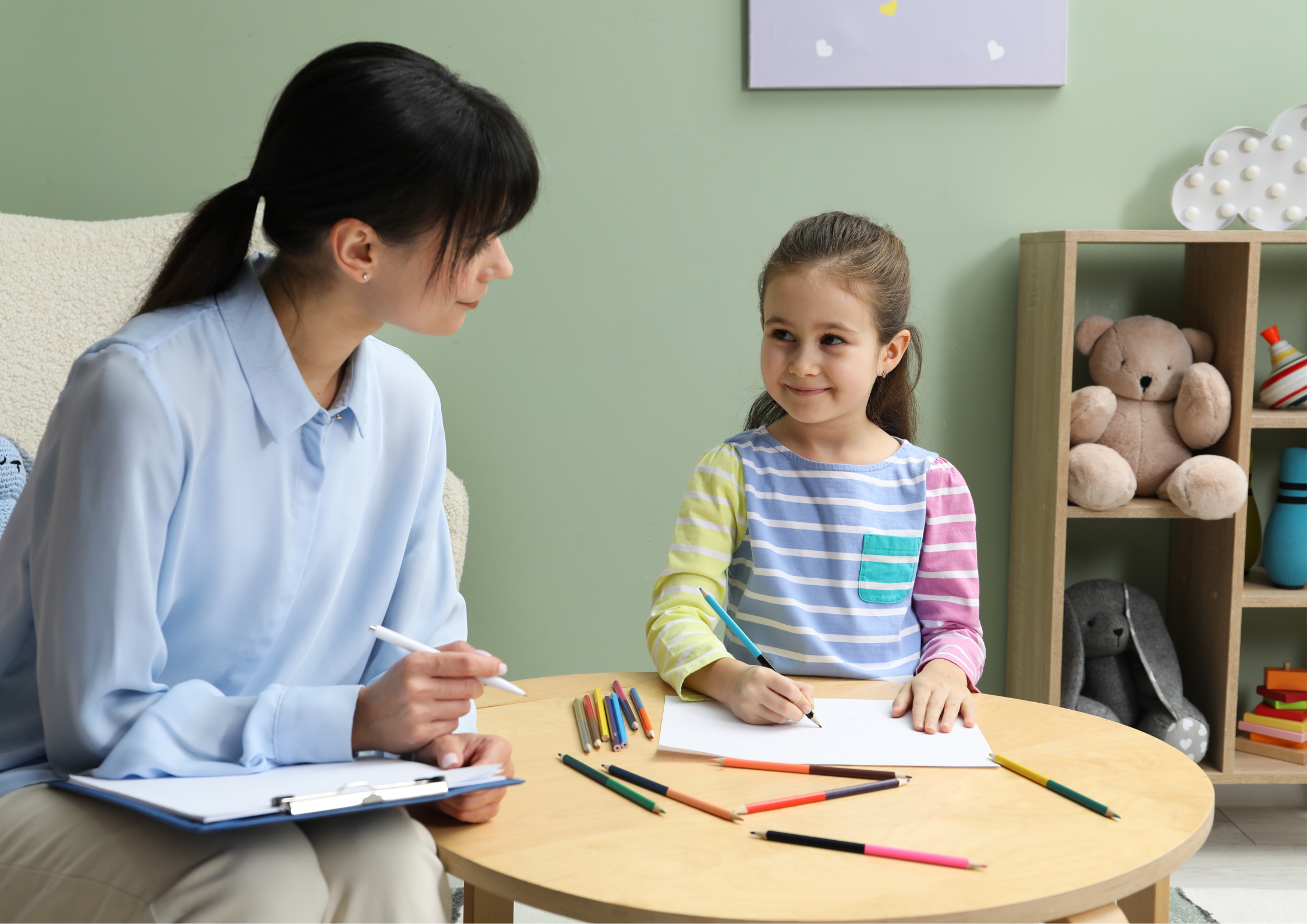
Child psychology focuses on how children’s thoughts, emotions, and behaviours evolve from infancy through adolescence. It combines elements of biology, environment, learning patterns, and social experiences to explain why children behave the way they do.
There are three major pillars that guide most child development theories:
Emotional Development
Social Development
Cognitive Development
Together, these areas create the foundation of a child’s personality, academic performance, relationships, and mental well-being. Understanding these pillars allows adults to respond to challenges appropriately, encourage strengths, and create nurturing surroundings both at home and in school—including environments like a girls school india that may emphasize structured growth.
Emotional Development in Children
Emotional development refers to how children understand, express, and manage emotions. It begins early, even before language develops. As children grow, they become more aware of their feelings and learn how to cope with them.
How Emotional Development Begins
Infancy: Babies identify comfort, discomfort, and attachment. They learn trust through consistent care.
Early Childhood: Children start expressing basic emotions like happiness, frustration, and fear. They rely heavily on adults for guidance.
Middle Childhood: Emotional vocabulary expands. Children develop empathy, reasoning, and independence in managing emotions.
Adolescence: Complex emotions, identity formation, and self-awareness evolve rapidly.
Why Emotional Awareness Matters
Children with healthy emotional development tend to:
Build stronger self-esteem
Handle stress better
Form more reliable friendships
Resolve conflicts peacefully
Teaching emotional regulation early—through calm conversations, naming feelings, and showing patience—creates a resilient mindset that supports them throughout life.
Social Development in Children
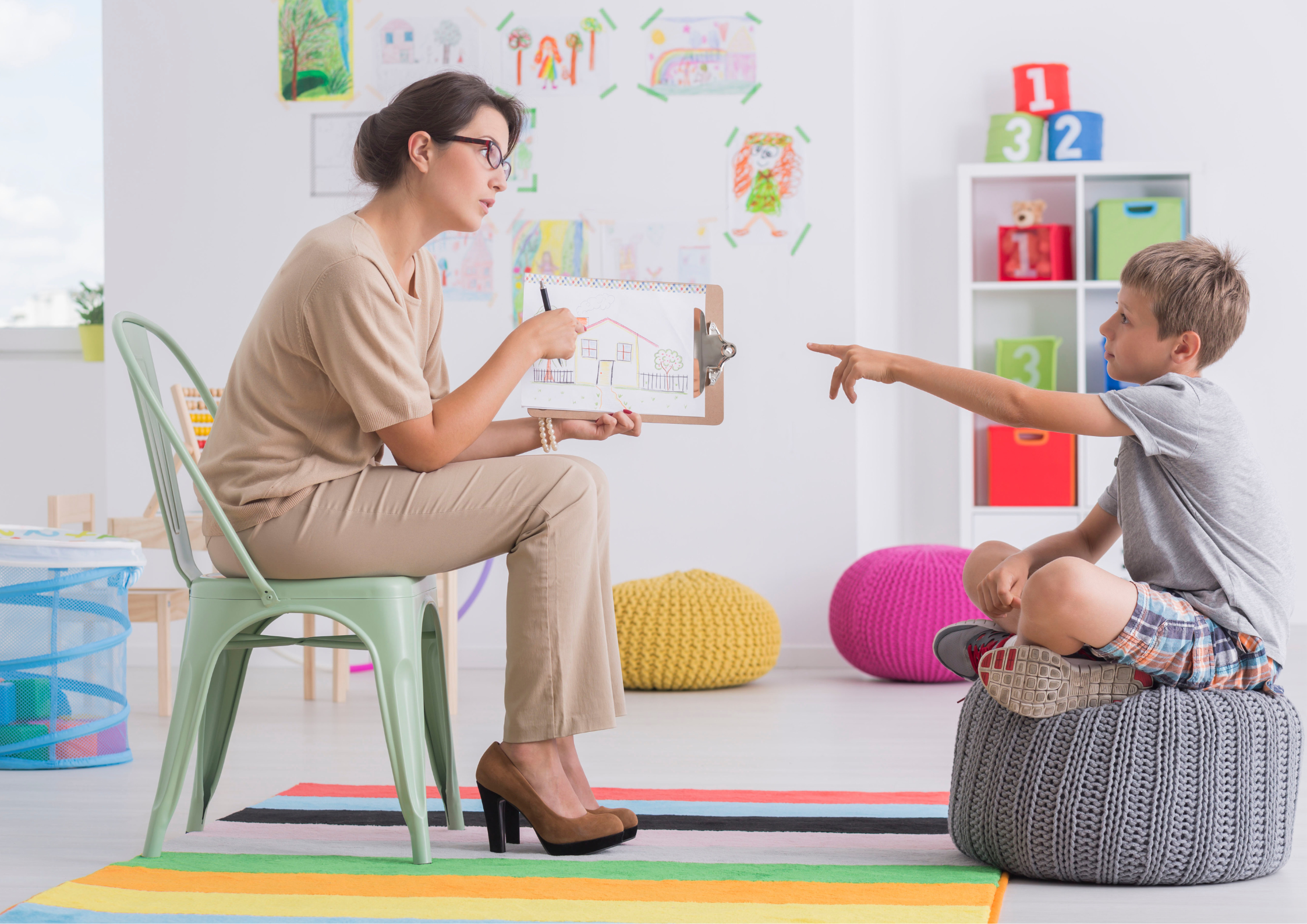
Social development is the process of learning how to interact with others. It includes communication, cooperation, empathy, and understanding social rules. Human connection plays a significant role in shaping personality and behaviour.
How Social Skills Grow
Infants: Recognize familiar faces and respond to tone of voice.
Toddlers: Learn sharing, imitation, and basic cooperation.
Preschoolers: Develop friendships and understand group activities.
School-Age Children: Improve communication skills, teamwork, and problem-solving.
Teenagers: Become more aware of social identity, acceptance, and peer influence.
Benefits of Healthy Social Development

A socially balanced child tends to:
Communicate clearly
Adapt well in group settings
Show empathy and kindness
Build stronger academic and extracurricular confidence
Social development depends on guidance, exposure to real interactions, and positive role-modelling. Simple activities—like group play, storytelling, or team sports—help children navigate relationships with confidence.
Cognitive Development in Children
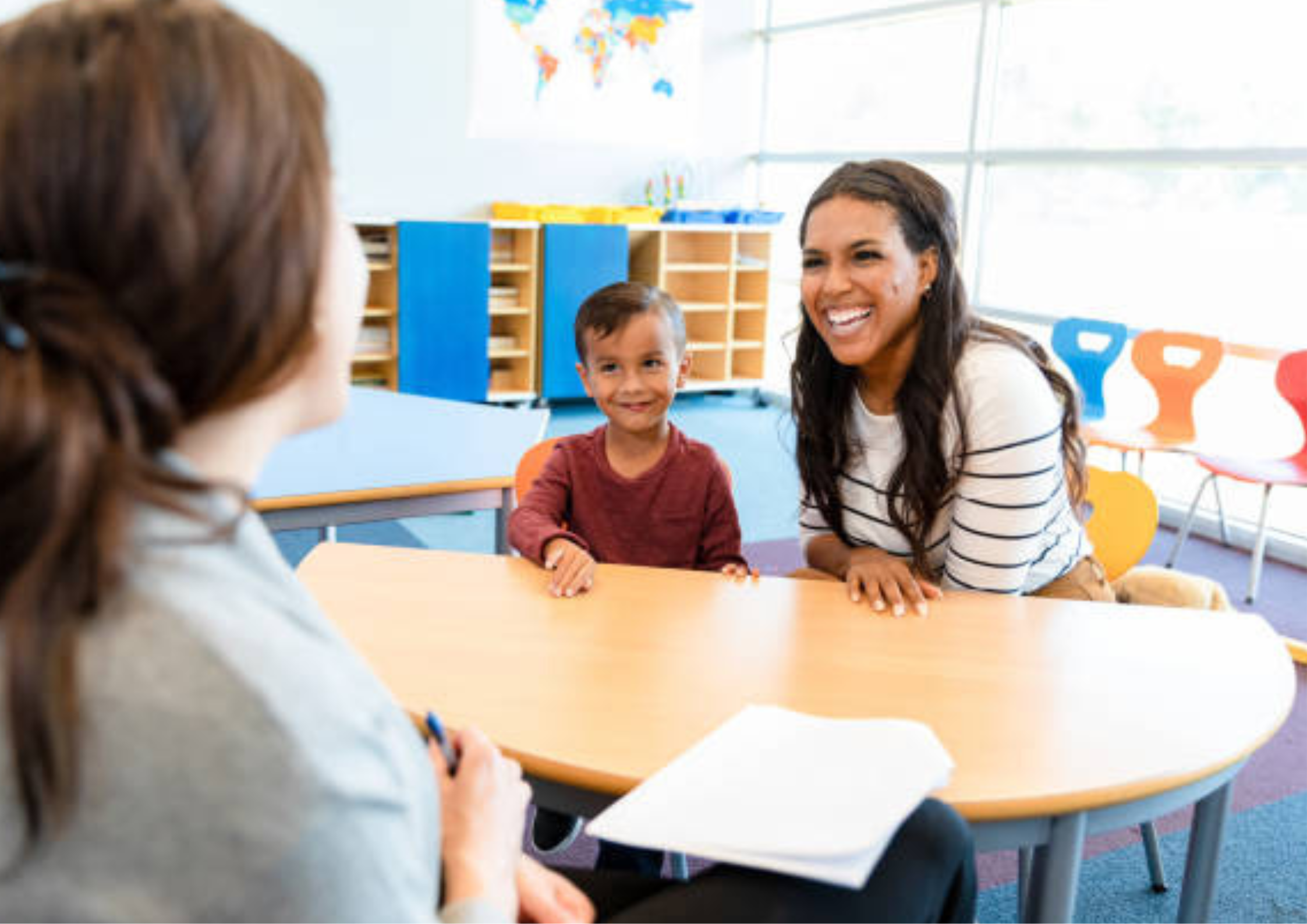
Cognitive development refers to how a child learns, thinks, solves problems, and understands the world. It includes attention, memory, language, reasoning, and imagination. The brain grows rapidly during childhood, making this stage crucial for learning.
Stages of Cognitive Growth
While each child develops differently, cognitive changes often follow predictable patterns:
Early Years: Children understand cause and effect, recognize objects, and form basic concepts.
Preschool Age: Language skills expand. Curiosity leads to questions and exploration.
School Age: Logical thinking improves. Children develop the ability to focus, plan, and apply reasoning.
Adolescence: Abstract thinking, decision-making, and long-term planning develop.
Encouraging Cognitive Skills

A stimulating environment supports stronger cognitive development. Activities such as puzzles, reading, building toys, and creative tasks help children expand their thinking abilities. Exposure to innovation and learning—like STEM Education for Girls programs—provides equal opportunities for children to challenge their minds in new and exciting ways.
How These Three Areas Work Together
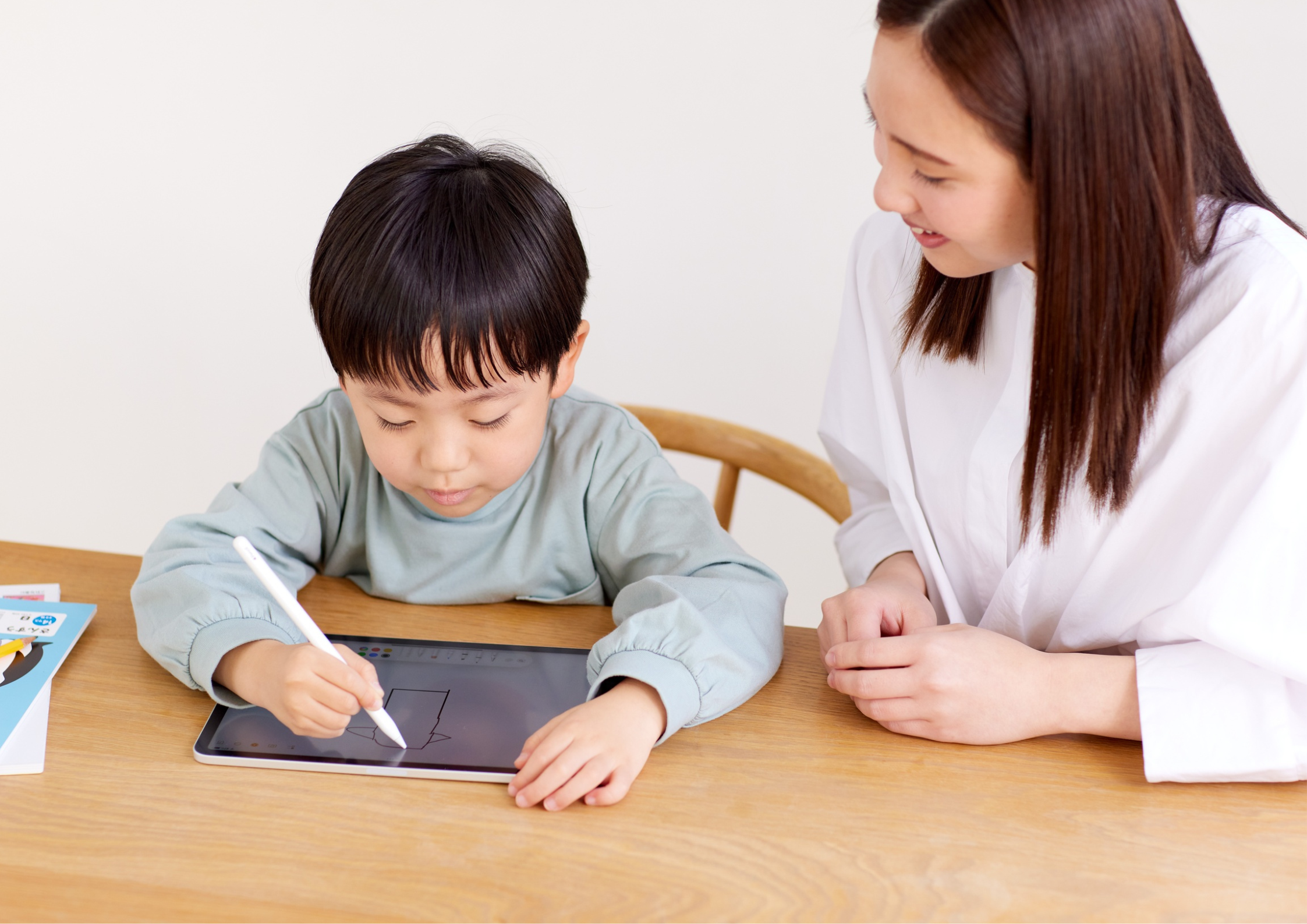
Although emotional, social, and cognitive development are discussed separately, they are deeply interconnected. A child who feels emotionally supported often performs better academically. A socially confident child is more willing to participate in class. A child with strong cognitive ability may solve peer conflicts more logically.
Examples of This Connection
Children who can manage emotions handle classroom pressure more easily.
Good social skills encourage cooperative learning and teamwork.
Strong cognitive abilities help children make thoughtful decisions.
When all three areas grow together, they form a balanced foundation that influences everything from academic success to long-term mental health.
Common Challenges in Child Development

Every child develops at a unique pace. However, some challenges may appear due to biological factors, environment, emotional experiences, or learning difficulties.
Emotional Challenges
Difficulty expressing feelings
Fearfulness or irritability
Trouble managing frustration
Social Challenges
Shyness or withdrawal
Difficulty making friends
Conflict with peers
Cognitive Challenges
Short attention span
Delayed speech or language development
Struggling with logical tasks
How Adults Can Help
Awareness, patience, and early support make a tremendous difference. Adults can:
Provide consistent routines
Encourage open communication
Use positive reinforcement
Seek professional guidance when needed
A collaborative effort between parents and teachers ensures that children receive the right help at the right time, minimizing long-term difficulties.
Practical Tips to Support Child Development
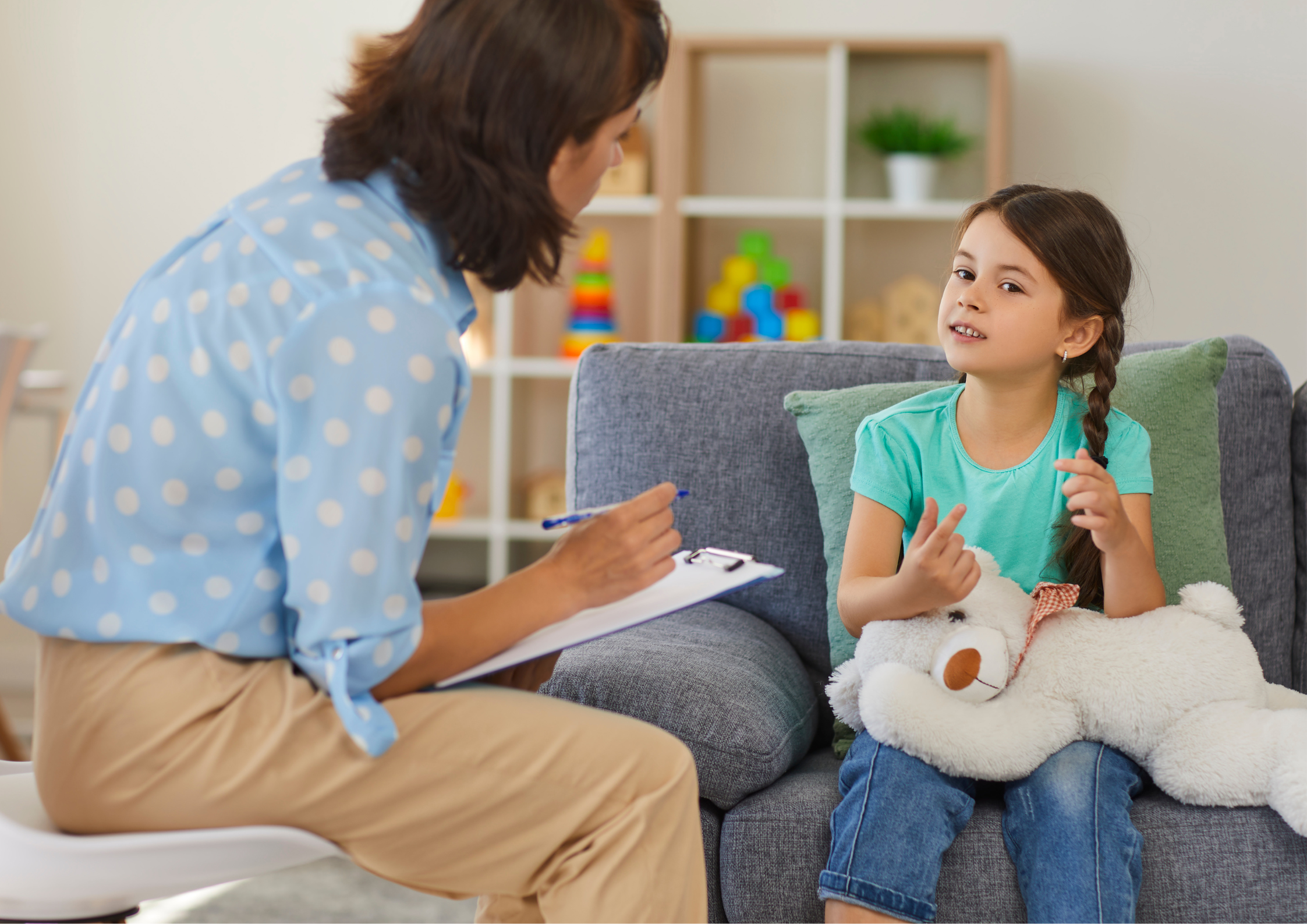
Here are simple but effective ways to support emotional, social, and cognitive growth at home and school:
For Emotional Development
Validate feelings instead of dismissing them.
Teach calm breathing and reflection.
Model positive coping behaviours.
For Social Development
Encourage group activities and sharing.
Teach polite communication through simple phrases.
Allow supervised independent decision-making.
For Cognitive Development
Read daily with the child.
Provide creative tasks such as drawing or building.
Limit screen time in favour of real-world exploration.
These small practices create long-lasting habits that support healthy childhood development.
Conclusion: Building a Healthy Foundation for the Future
Child psychology provides essential insights into how children grow emotionally, socially, and cognitively. Understanding these areas helps adults respond with empathy, guide children more effectively, and create an environment where they can thrive. Balanced development leads to stronger relationships, better learning, and a confident sense of self.
By paying attention to emotions, encouraging social connections, and nurturing cognitive skills, we support children in becoming well-rounded individuals who are ready to face the world with strength and curiosity. Every small step—each conversation, activity, and moment of guidance—shapes a future filled with growth, resilience, and opportunity.
FAQs
Q 1: What is child psychology?
Child psychology studies how children think, feel, behave, and grow from early childhood to adolescence.
Q 2: Why is emotional development important?
It helps children understand feelings, manage emotions, and build healthy relationships.
Q 3: How can parents support social development?
Parents can encourage group play, good communication, and positive interaction at home.
Q 4: What boosts cognitive development in children?
Reading, creative play, problem-solving games, and a stimulating environment help improve cognitive skills.
Q 5: Do all children develop at the same pace?
No, each child grows differently based on environment, personality, and learning experiences.