

Introduction

Boarding school life in India is one of the most important decisions parents make when choosing the right environment for their child.
Many parents focus on results and reputation. But the real concern is simple.
What will daily life look like for the child?
This guide explains boarding school life in India in a clear and practical way. From hostel life to safety, routine, and emotional adjustment, everything is covered so parents can take a confident decision.
What Boarding School Life in India Actually Means
Boarding school life in India is the complete environment where a child lives, studies, and develops every day. In real terms, boarding school life in India helps children become independent and disciplined.
It includes:
- Hostel living
- Daily routine
- Food and health care
- Safety systems
- Sports and activities
- Social and emotional development
Think of it as a structured mini-world where children spend most of their time.
What Boarding School Life in India Looks Like Daily
Most parents imagine a very strict routine. That is partly true, but good schools maintain a balance between discipline and flexibility.
Sample Daily Routine
| Time | Activity |
|---|---|
| 6:00 AM | Wake up and physical activity |
| 7:30 AM | Breakfast |
| 8:30 AM – 2:00 PM | Classes |
| 3:00 PM | Sports and activities |
| 5:30 PM | Study hour (prep) |
| 7:30 PM | Dinner |
| 8:30 PM | Light study or relaxation |
| 10:00 PM | Lights off |
This routine helps children build discipline, time management, and focus without unnecessary pressure.
Hostel Life in Boarding School in India
Hostel life is the core of boarding school life in India. This is where real personality development happens.
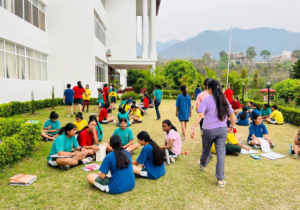
What children learn
- Independence
- Time management
- Sharing and cooperation
- Emotional strength
But adjustment takes time.
What parents should check
- Room occupancy (2–4 students is ideal)
- Availability of house parents or wardens
- Cleanliness and hygiene
- Personal attention to each child
A well-managed hostel can shape a child’s personality more than classrooms.
Safety and Security in Boarding School Life in India
Safety is the biggest concern for parents.

Key things to verify
- 24×7 security inside campus
- CCTV surveillance
- Separate hostels for boys and girls
- Medical room with trained staff
- Emergency response system
Also check how frequently parents receive updates.
A good school is always transparent about safety.
Sports and Activities in Boarding School Life in India
Learning does not stop after classes.
In boarding school life in India, activities play a major role in overall growth.
Common activities
- Football, cricket, swimming
- Music, dance, theatre
- Debate and public speaking
- Art and creative activities
These activities build confidence, leadership, and communication skills.
Many parents ignore this part, but it often shapes a child more than academics.
Social and Emotional Development
Boarding schools create a unique social environment.
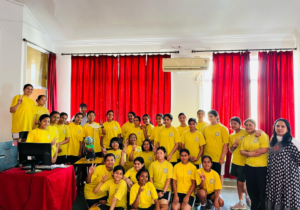
Children interact with peers from different backgrounds, which helps in:
- Communication skills
- Cultural understanding
- Emotional maturity
Homesickness is normal in the beginning.
What helps children adjust
- Supportive wardens and teachers
- Regular communication with parents
- Gradual adaptation
Most children settle within 1–3 months.
Food, Health and Daily Care
This is a critical part of boarding school life in India.
Check these points
- Weekly meal plan
- Balanced nutrition
- Special diet support
- On-campus medical facility
- Hospital tie-ups
A good school treats health as seriously as academics.
Which Option is Right for Your Child?
Boarding school works best when:
- The child is open to independence
- Needs structured routine
- Benefits from peer learning
It may not suit if:
- The child is highly dependent on parents
- Struggles with separation
- Needs a flexible learning environment
Common Mistakes Parents Make
Avoid these common errors:
- Choosing school only based on reputation
- Ignoring hostel conditions
- Not talking to existing parents
- Expecting quick adjustment
- Overlooking emotional readiness
Real example:
Many parents select a top-ranked school but later shift their child due to poor hostel support.
What Schools Don’t Tell Parents
- Adjustment phase can take time
- Every child adapts differently
- Peer environment plays a major role
- Emotional support matters more than strict discipline
Understanding this helps parents take a better decision.
How to Evaluate a Boarding School Practically
Before finalising:
- Visit the campus
- Check hostel rooms
- Observe cleanliness
- Talk to students
- Review food quality
- Understand daily routine
This gives real clarity beyond brochures.
Detailed Guides Every Parent Should Read
To understand each aspect in detail, explore:
- Hostel life in boarding schools
- Safety and security systems
- Sports and extracurricular structure
- Daily routine breakdown
These guides help parents evaluate schools more clearly before admission.
FAQs
1. Is boarding school life in India too strict?
No. Good schools balance discipline with activities and relaxation.
2. How long does a child take to adjust?
Usually 1 to 3 months depending on personality.
3. Is hostel life safe?
Yes, if the school has proper supervision and security systems.
4. Do boarding schools focus only on studies?
No. They focus on overall development including sports and activities.
5. How often can parents communicate?
Most schools allow regular calls and scheduled visits.
6. What is the biggest benefit of boarding school life in India?
It builds independence, discipline, and confidence.
Planning to choose a boarding school?
Explore the campus, understand the admission process, and speak directly with the team at Shigally Hills International Academy to take a confident and informed decision.